


The Pearl of the Indian Ocean — Tailor-Made Travel Experiences

Sigiriya is one of the most important ancient sites in Sri Lanka. It is located near Dambulla in the Central Province and is widely known as the “Lion Rock.” Rising about 200 meters above the surrounding plains, Sigiriya is a magnificent rock fortress. Because of its historical and cultural value, it has been recognized as a UNESCO World Heritage Site.
The history of Sigiriya dates back to the 5th century AD during the reign of King Kashyapa. According to historical records, King Kashyapa seized the throne after killing his father, King Dhatusena. Fearing an attack from his brother Mogallana, the rightful heir, Kashyapa chose Sigiriya as his capital. He built a royal palace on the top of the rock and developed the surrounding area into a well-planned city.
Sigiriya is famous for its advanced architecture and engineering. The site includes moats, ramparts, water gardens, and fountains. The water gardens at the base of the rock are considered some of the oldest landscaped gardens in the world. These features show the high level of technical knowledge possessed by ancient Sri Lankan engineers.
Another special feature of Sigiriya is its beautiful frescoes painted on the western rock face. These paintings depict elegantly dressed women and demonstrate the artistic skills of the time. The Mirror Wall is also important, as ancient visitors wrote poems and thoughts on it, giving valuable information about early Sinhala literature.
Halfway up the rock is the Lion’s Gate, from which Sigiriya gets its name. Today, Sigiriya is a popular tourist attraction and a proud symbol of Sri Lanka’s rich history and cultural heritage.
Sri Dalada Maligawa, also known as the Temple of the Sacred Tooth Relic, is one of the most sacred religious sites in Sri Lanka. It is located in the city of Kandy and is highly respected by Buddhists all over the world. The temple houses the Sacred Tooth Relic of Lord Buddha, which has been preserved for centuries and is considered a symbol of sovereignty and national unity.
The history of the Dalada Maligawa dates back to the 4th century AD, when the Sacred Tooth Relic was brought to Sri Lanka from India during the reign of King Kirthi Sri Meghavarna. Over time, many kings built temples to protect the relic. The present temple structure was mainly developed during the Kandyan Kingdom.
The temple complex shows fine examples of traditional Kandyan architecture, wood carvings, and paintings. The relic is kept inside a golden casket and is not shown directly to the public. Every year, the famous Esala Perahera is held in Kandy to honor the Sacred Tooth Relic. Today, Sri Dalada Maligawa is a UNESCO World Heritage Site and remains a place of great religious, cultural, and historical importance.
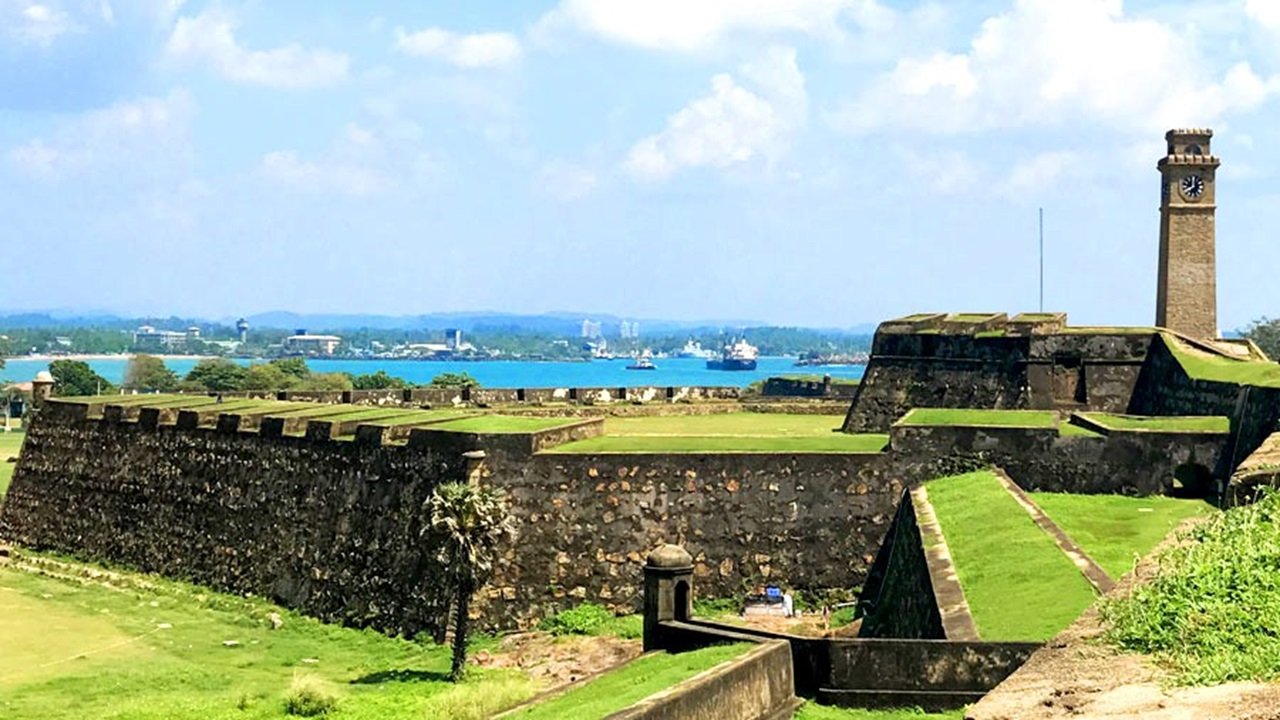
Galle Fort is a historic fortress located in the southern coast of Sri Lanka. It was first built by the Portuguese in the 16th century and later expanded by the Dutch during the 17th century. Surrounded by strong stone walls and the Indian Ocean, Galle Fort is one of the best-preserved colonial forts in Asia and has been declared a UNESCO World Heritage Site.
Galle Fort reflects a unique blend of European and South Asian architectural styles. Inside the fort, there are old churches, mosques, museums, lighthouses, and colonial-era houses. The narrow streets and stone buildings give visitors a clear picture of Sri Lanka’s colonial past.
The fort played an important role in trade and defense during the colonial period. Today, Galle Fort is a lively area with hotels, cafes, shops, and art galleries. It attracts many local and foreign tourists and stands as a symbol of Sri Lanka’s historical connections with the world.
Hidden in the lush greenery of Ella, the Nine Arches Bridge is a masterpiece of colonial-era railway construction. Built entirely of stone and brick, it stands as a testament to Sri Lanka’s engineering brilliance during the British period.
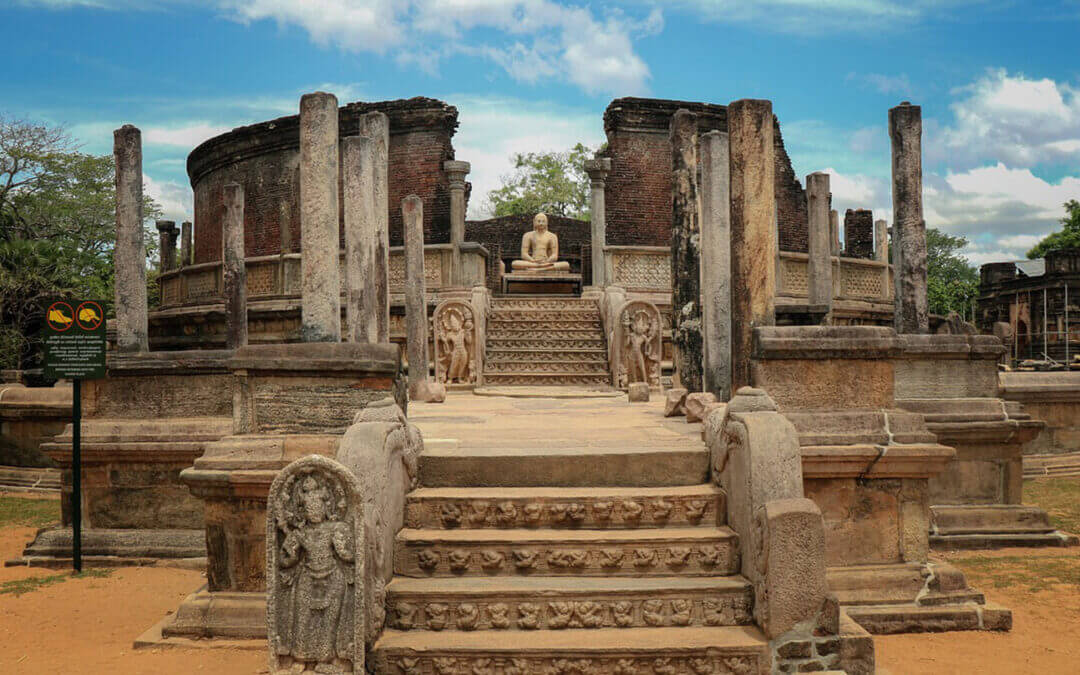
Polonnaruwa is an ancient city located in the North Central Province of Sri Lanka. It served as the capital of the country during the 11th and 12th centuries, especially under the reign of King Parakramabahu the Great. Polonnaruwa is famous for its well-planned city layout, massive reservoirs, and impressive stone monuments.
One of the most remarkable features of Polonnaruwa is the Gal Vihara, which consists of four large Buddha statues carved from a single granite rock. The ancient city also includes royal palaces, temples, monasteries, and irrigation systems such as the Parakrama Samudraya, which shows the advanced engineering skills of ancient Sri Lankans.
Today, Polonnaruwa is a UNESCO World Heritage Site and an important archaeological location. It reflects the glory of Sri Lanka’s ancient civilization and remains a valuable source of historical and cultural knowledge.